What To Do About Record High Trade Deficit?
Posted by
Cognizant Wealth Advisors
Category
Economy
Posted on
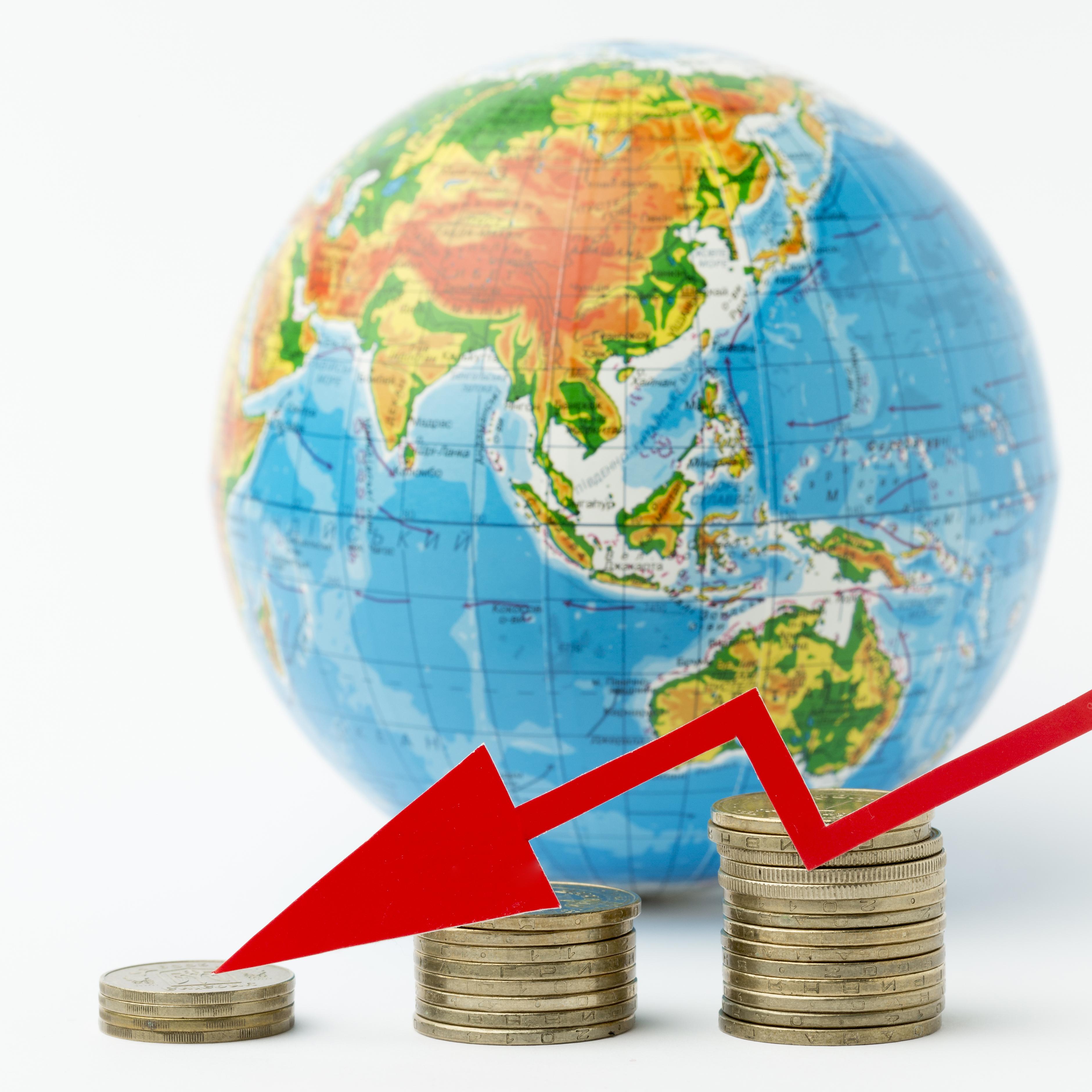
The U.S. Commerce Department reported this week that the trade deficit for 2018 reached a record $891.3 billion and grew by almost 13% over 2017. As investors, what should we be taking away from this metric?
Your first question might be how did we get to this point? President Trump assured us one year ago that by threatening other countries to lower their tariffs (by raising ours) he would reduce our trade deficits. Has his strategy worked? Obviously not yet. In fact, the punitive tariffs he announced last year had the opposite effect of stimulating more imports before the barriers went up, further exacerbating the imbalance.
Other factors as reported by the NY Times include a slowdown in China’s and Europe’s economies resulting in reduced demand for U.S. consumer goods as well as the strengthening of the U.S. dollar making U.S. products more expensive overseas. When you factor in lower tax revenues resulting from Trump’s 2017 tax break, the overall U.S. budget deficit is on track to reach $1 trillion this year according to the U.S. Treasury Department.
Are large government deficits a problem? The answer depends on whom you ask. Economists who are followers of Modern Monetary Theory would argue that the only deficit constraints on countries with fiat currencies (that is, those with the power to expand their own money supply) are inflation and unemployment. In other words, in today’s world we have plenty of room for deficits that could go even higher. Other economists believe that the cost of maintaining a high level of accumulated debt will crowd out government spending in other areas, potentially reducing the ability of government to continue to provide valuable services to citizens.
For investors, this data presents a number of choices to consider:
Sell all our U.S. stocks on the assumption that the U.S. economy will soon tank from the trade imbalance and buy foreign stocks because they not only have the edge in trade but also are much less highly valued than are U.S. stocks right now.
Sell all our foreign stocks on the assumption that the Trump trade war is hurting their economies and buy U.S. stocks because Trump will win.
Sell everything because we can’t figure out what is going to happen and we’re becoming worried.
Personally I would prefer choice 4: ignore all the above and instead continue to follow an investment strategy that minimizes the risk needed to grow my savings sufficiently to fund all my future needs.
Which choice would make you feel most comfortable?
Related Post

Some random description of the blog that will keep the area filled with this description which is very obvioously fake description.

Some random description of the blog that will keep the area filled with this description which is very obvioously fake description.

Some random description of the blog that will keep the area filled with this description which is very obvioously fake description.